

Introduction
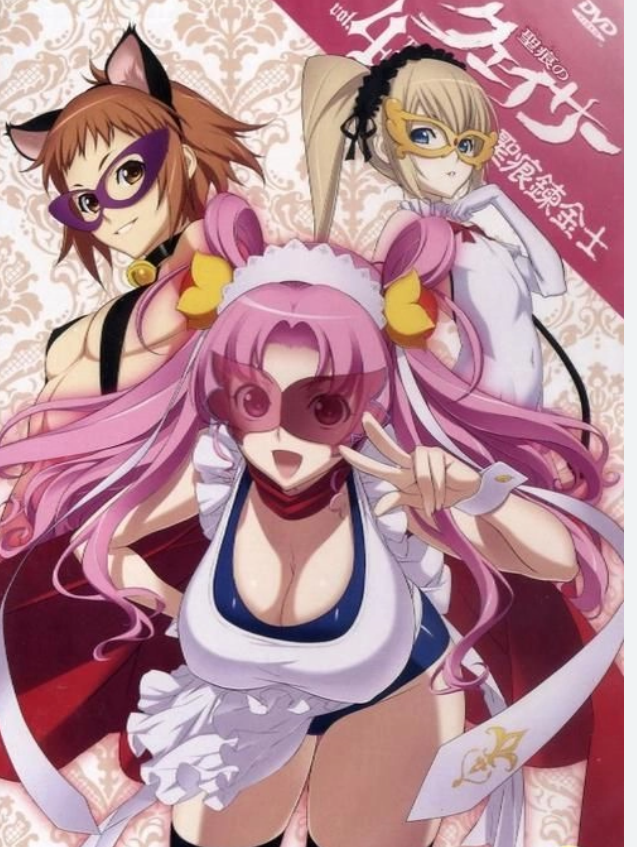
Among the most notorious and distinctive titles to emerge from the 2010s ecchi battle boom, Seikon no Qwaser (聖痕のクェイサー / The Qwaser of Stigmata) holds a unique position in anime history. Written by Hiroyuki Yoshino and illustrated by Kenetsu Satō, this franchise originated as a long-running manga serialized in Champion RED before being adapted into a two-season anime and OVA by Studio Hoods Entertainment. Famous—and often shocking—for its explicit method of power refueling through “Soma” (breast milk), the series hides a surprisingly complex gothic narrative beneath its controversial exterior. It blends Orthodox Christian iconography, chemistry-based magic systems, and dark action drama. This review breaks down its premise, power system, and overall value for fans exploring cult classic anime.
What Is Seikon no Qwaser?
The narrative takes place at St. Mihailov Academy, an Eastern Orthodox Christian school in Japan. The calm routine shatters when Olistratova (Olya), a mysterious, silver-haired Russian boy, transfers to the academy.
In reality, Alexander “Sasha” Nikolaevich Hell is a “Qwaser” — an alchemical warrior capable of controlling specific chemical elements at a molecular level. Sasha commands iron, wielding it as deadly scythes, needles, and shields. However, to fuel and restore his alchemical power (known as Soma), Sasha must directly suckle milk from divine women known as “Maria” partners.
Joined by Mafuyu Oori and Tomo Yamanobe, Sasha fights against the Athos Church’s sworn enemies: the “Adept,” a secret organization seeking ancient holy relics known as the Theotokos of Tsarytsin.
Who Is It For?
Seikon no Qwaser is strictly intended for mature adult audiences (18+) who enjoy unfiltered dark fantasy, explicit fan-service, and complex elemental power scaling. It appeals to fans of gothic urban fantasy who appreciate series with a heavy aesthetic emphasis on religious symbolism, alchemy, and high-intensity battle choreography (such as High School DxD, Freezing, or Trinity Seven).
Key Content Themes and Story Mechanics
1. Element-Based Alchemical Combat System
The series stands out for its creative use of the periodic table. Qwasers are categorized by the element they manipulate:
- Sasha (Iron / Fe): Manipulates iron in blood, weapons, and surrounding architecture.
- Katja (Copper / Cu): Controls copper wires, dolls, and electronic signals with ruthless precision.
- Ekaterina / Teresa (Gold, Silver, Sodium, Lead): Each rival Qwaser presents unique tactical challenges based on real-world chemical reactions and elemental properties.
2. The “Soma” Energy System & Maria Partners
Unlike anime where physical intimacy is purely a comedic punchline, Seikon no Qwaser treats Soma as a critical combat resource. A Qwaser’s strength, elemental output, and regeneration speed depend directly on their connection with their assigned “Maria” partner. This creates high-stakes scenarios during combat where refueling mid-battle becomes a matter of life or death.
3. Dark Gothic Politics and Religious Lore
Behind the explicit mechanics lies a serious plot driven by secret societies, ancient relics, and church schisms. The contrast between St. Mihailov’s everyday school environment and the brutal world of Qwaser assassinations creates constant dramatic tension.
Production Quality & Audio
- Animation (Hoods Entertainment): Features sharp gothic designs, atmospheric dark color palettes, and fluid combat animation. Battle sequences stand out with dramatic impact effects and detailed metallic transformations.
- Censorship Variations: The TV broadcast version heavily obscured Soma refueling scenes. The uncensored Home Video / Director’s Cut releases present the full visual detail as intended by the creators.
- Soundtrack: Features haunting choral music, gothic rock tracks, and famous opening themes performed by Lantis artists such as Granrodeo and Faylan.
How It Compares to Similar Titles
| Feature | Seikon no Qwaser | Shinmai Maou no Testament | High School DxD |
| Primary Theme | Elemental Alchemy & Church Lore | Demon Lord Successor & Hero Clan | Devil / Angel Mythology |
| Power Source | Soma Absorption (Breast Milk) | Master-Servant Pact Rituals | Sacred Gears & Dragon Energy |
| Protagonist Style | Cold, Traumatized Russian Anti-Hero | Experienced, Protective Swordsman | Goofy, Perverted Underdog |
| Visual Aesthetic | Dark Gothic / Religious | Modern Urban Fantasy | High School Supernatural |
What Works Well
- Clever Chemistry Mechanics: The elemental combat system relies on real scientific properties, making battles tactical and visually varied.
- High Production Values: Solid character design, impressive action sequences, and high-energy voice performances elevate the material.
- Uncompromising Tone: The series fully commits to its premise without diluting its dark gothic atmosphere.
Areas for Improvement
- Controversial Central Concept: The explicit nature of Soma refueling serves as a major barrier for mainstream viewers.
- Incomplete Adaptation: The two anime seasons adapt only a portion of the original 24-volume manga, leaving major story arcs unresolved in animation.
Recommended Watch Order
To experience the animated storyline in chronological order:
- Seikon no Qwaser (Season 1 — 24 Episodes)
- Seikon no Qwaser: Empress’s Portrait (OVA — Episode 10.5 / Side Story)
- Seikon no Qwaser II (Season 2 — 12 Episodes)
Final Verdict
Seikon no Qwaser remains one of the most famous cult classics of the 2010s ecchi action era. By combining real-world chemistry and gothic dark fantasy with an unapologetically extreme energy replenishment system, it carved out an unforgettable niche in anime history. For mature viewers looking for action-packed alchemical battles with zero restraint, it delivers a unique viewing experience.
